
Sanitation
Efficient sanitation networks are essential to protect water resources and public health.
As a partner for communities and public stakeholders, Colas manages the design, construction and maintenance of sanitation infrastructure required for the collection and treatment of wastewater.
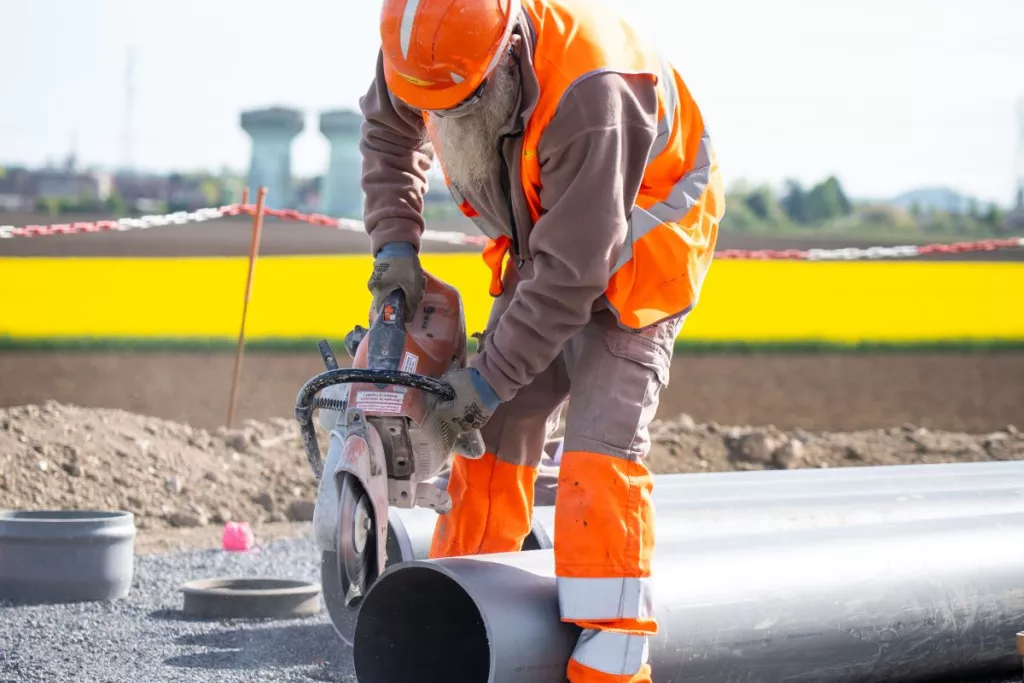
Sanitation networks serving the needs of territories
Colas works across the entire lifecycle of sanitation networks, from hydraulic studies to commissioning. Our teams design separate or combined networks, renovate aging pipelines and ensure the safety of pumping facilities. Each project is designed to address local constraints — urban density, topography, environmental considerations — while ensuring hydraulic performance and the durability of installations.
Wastewater collection and transport
The collection and transport of wastewater rely on rigorous engineering.
Colas conducts the necessary diagnostics and modeling to size efficient and long-lasting infrastructure. Gravity and pressure pipelines are installed or rehabilitated in compliance with standards and environmental requirements. Ancillary structures, such as lift stations or construction bypasses, are designed to ensure service continuity.
Our interventions minimize disruptions for local residents while ensuring the long-term reliability of the network
Construction and maintenance of sanitation networks
- New works and compliance upgrades
- Separate networks: reducing infiltration and storm overflows
- Preventive and corrective maintenance, camera inspections, leak tests
- Multi-year maintenance plans and on-call support: these interventions extend the lifespan of infrastructure and ensure the quality of discharges.
Pumping and storage facilities
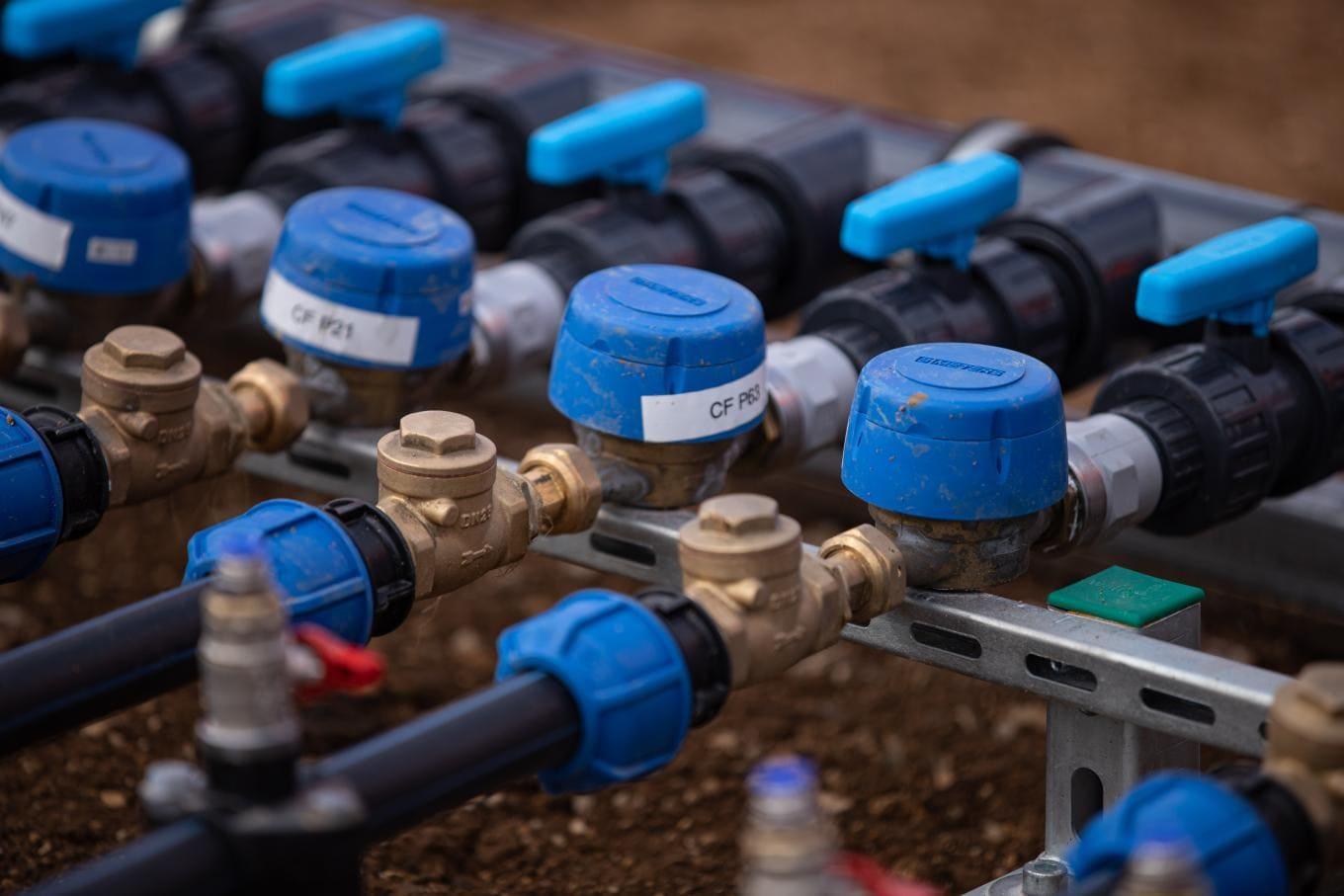
Pumping stations, booster systems, reservoirs… Colas designs and installs the essential equipment for network regulation.
The integration of remote monitoring and automation solutions ensures service continuity and optimizes energy consumption.
What Colas implements for your projects
Wastewater treatment plants (WWTP) and wastewater treatment
Beyond networks, Colas designs, builds and modernizes wastewater treatment plants (WWTP) tailored to the size and needs of local communities. These facilities combine biological and physico-chemical processes to ensure efficient treatment that meets regulatory requirements. Each project incorporates energy efficiency, odor control and by-product recovery, following a circular economy approach.
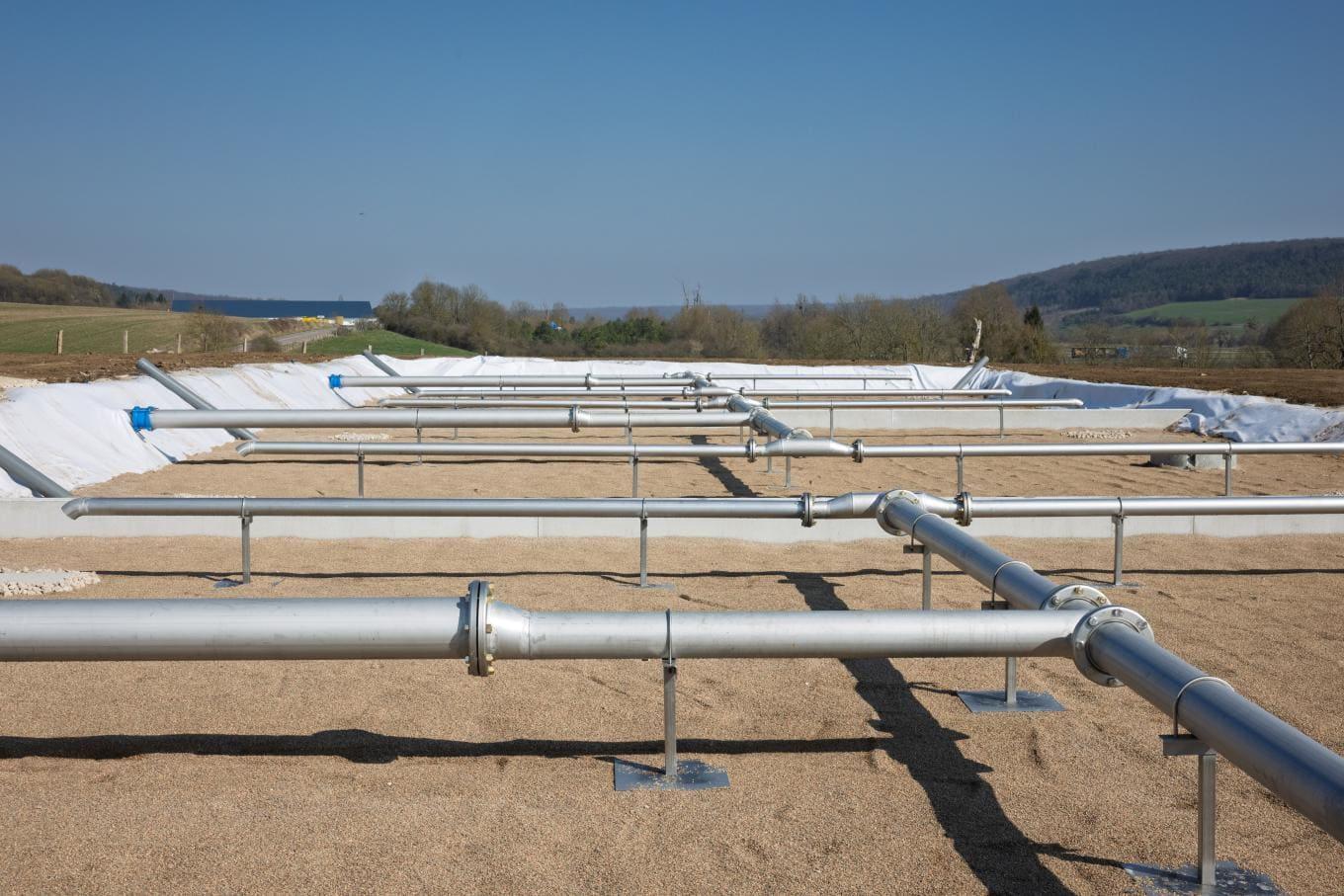
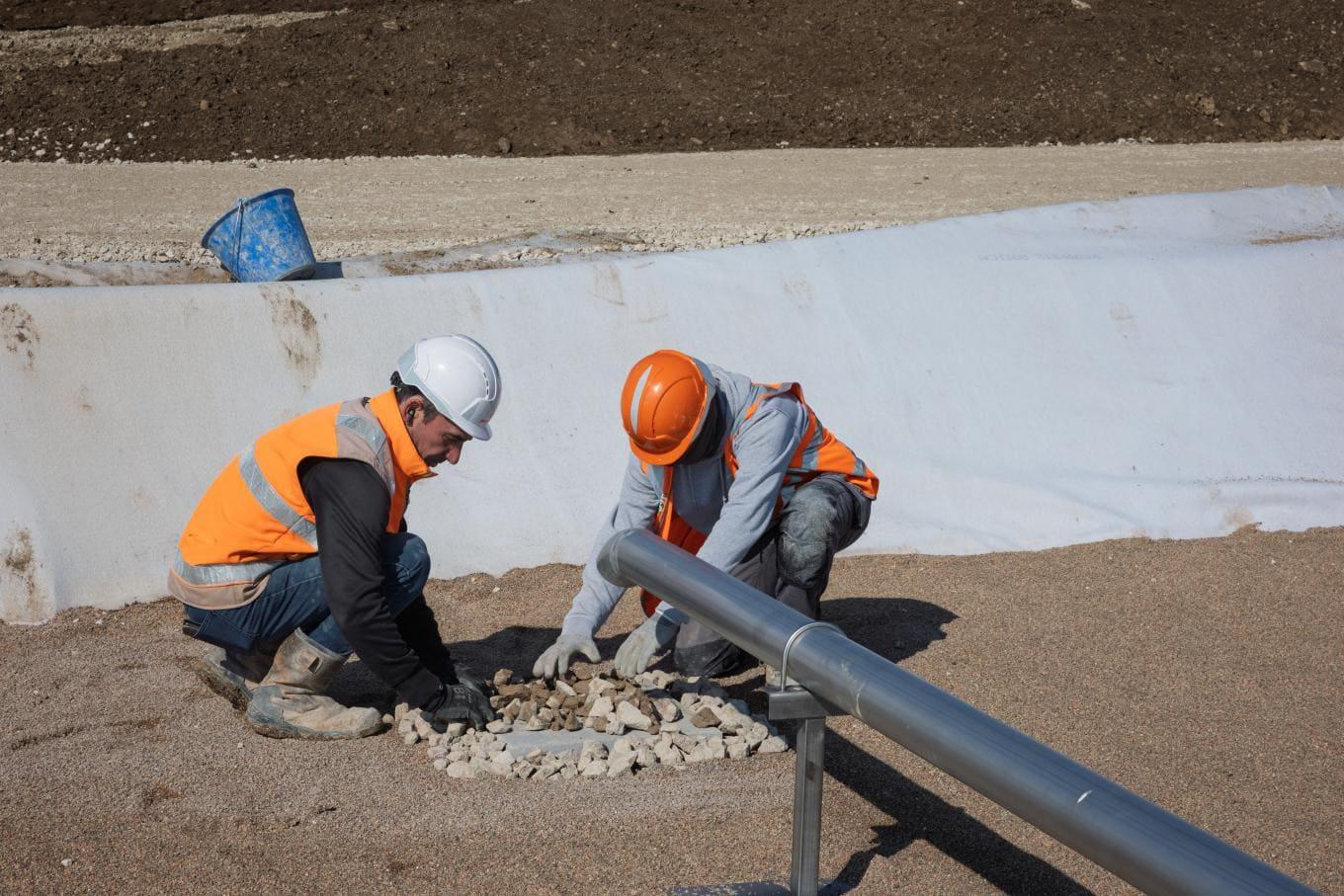
Among the most sustainable solutions is the reed bed wastewater treatment plant (constructed wetlands). This natural process filters wastewater through vegetated reed basins, where roots promote substrate oxygenation and biological degradation of organic matter. The water then percolates through layers of gravel and sand before being safely returned to the natural environment. These energy-efficient installations are environmentally integrated, require simplified maintenance and generate limited sludge. Colas designs and builds this type of plant for communities seeking an effective, ecological and economical solution.
Treatment stages and effluent management
Wastewater treatment follows a rigorous sequence: pre-treatment (screening, grit removal, oil separation), biological treatment (activated sludge, biofilters or reed bed filters depending on the context), clarification, followed by disinfection and sludge recovery.
Each stage is optimized to ensure effluent quality and minimize impact on aquatic environments. Colas ensures the integration of the most suitable processes for each site, taking into account the nature of the effluents, local constraints, and the environmental objectives set by the community.


Modernization and performance of facilities
Colas supports project owners in modernizing and optimizing their wastewater treatment plants. Equipment retrofits and energy optimization operations help reduce aeration and pumping consumption. Real-time automation and monitoring enhance treatment reliability and simplify maintenance.
We ensure compliance with standards, secure access and maintain operational continuity during works. This approach improves overall facility performance while contributing to cost control and the quality of discharged effluents.
Frequently asked questions
Sanitation encompasses all systems used to collect, transport, treat and discharge wastewater in ways that protect public health and the environment. It is a crucial part of sustainable water management.
A reed bed wastewater treatment plant is a natural biological treatment facility that uses vegetated basins to filter and purify wastewater. The reeds provide substrate aeration and promote the bacterial flora responsible for breaking down organic matter. This energy-efficient, low-sludge process is an ecological solution particularly suited to small rural communities.
The treatment includes several successive phases: pre-treatment, biological treatment, clarification, sludge management and recovery, followed by controlled discharge or reuse of the treated water. Each stage is designed to meet the quality standards set by regulations.
Local authorities or their associations are responsible for managing sanitation networks. They entrust the design, construction and maintenance to specialized partners like Colas, which ensures the technical quality, durability and regulatory compliance of the infrastructure.
Do you have a sanitation project?
Colas supports you at every stage
From design to operation, with tailor-made solutions that are adapted to your needs, durable and efficient.