Building stripping
Before any rehabilitation or deconstruction work, selective stripping is an essential step. Colas, through Premys, carries out building stripping works aimed at separating, sorting, and recovering materials in compliance with safety and environmental standards.
Our teams ensure a clean, controlled, and circular preparation of structures, providing a site ready for the next phase of work.
Why stripping is essential before renovation or deconstruction
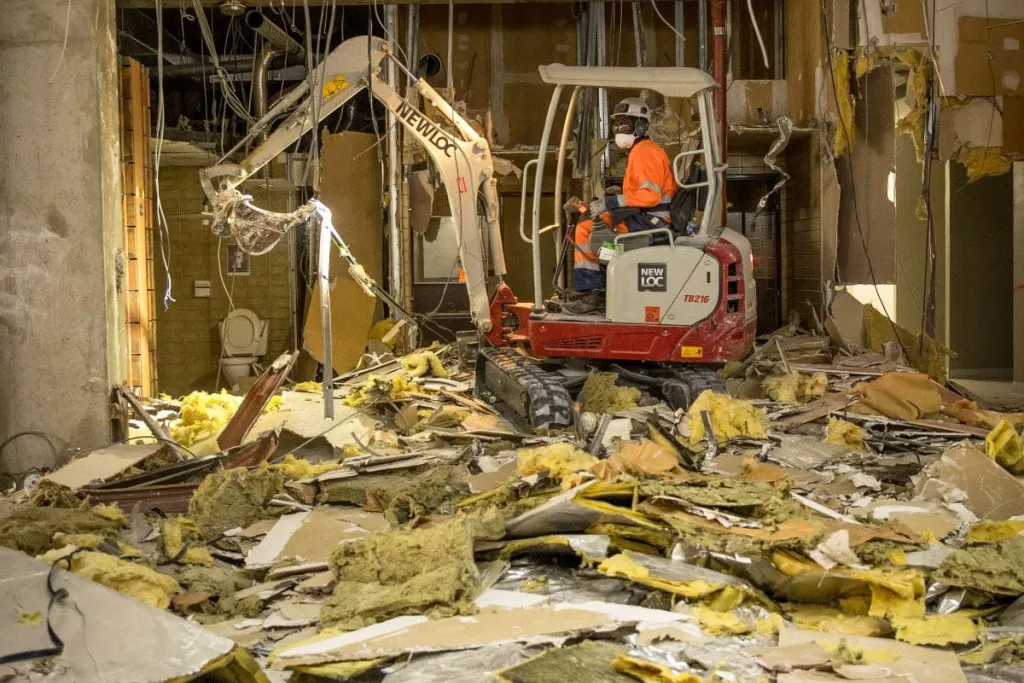
Stripping, an essential step in preparing a building, allows non-structural elements—false ceilings, partitions, floors and carpets, raised floors, networks, joinery, and coverings—to be removed before any demolition or rehabilitation phase. It facilitates the separation of materials, optimizes their reuse or recycling, and significantly reduces the volume of subsequent waste.
This is a safe, regulated, and sustainable process, following a circular economy approach.
Stripping vs demolition: what are the differences?
Stripping involves selectively deconstructing a building’s elements without affecting the load-bearing structure. Demolition, on the other hand, aims at the complete destruction of the building.
Stripping therefore takes place beforehand, to prepare and secure the site, and to enable better material recovery.
Our 6-step stripping process
Methods and operating procedures
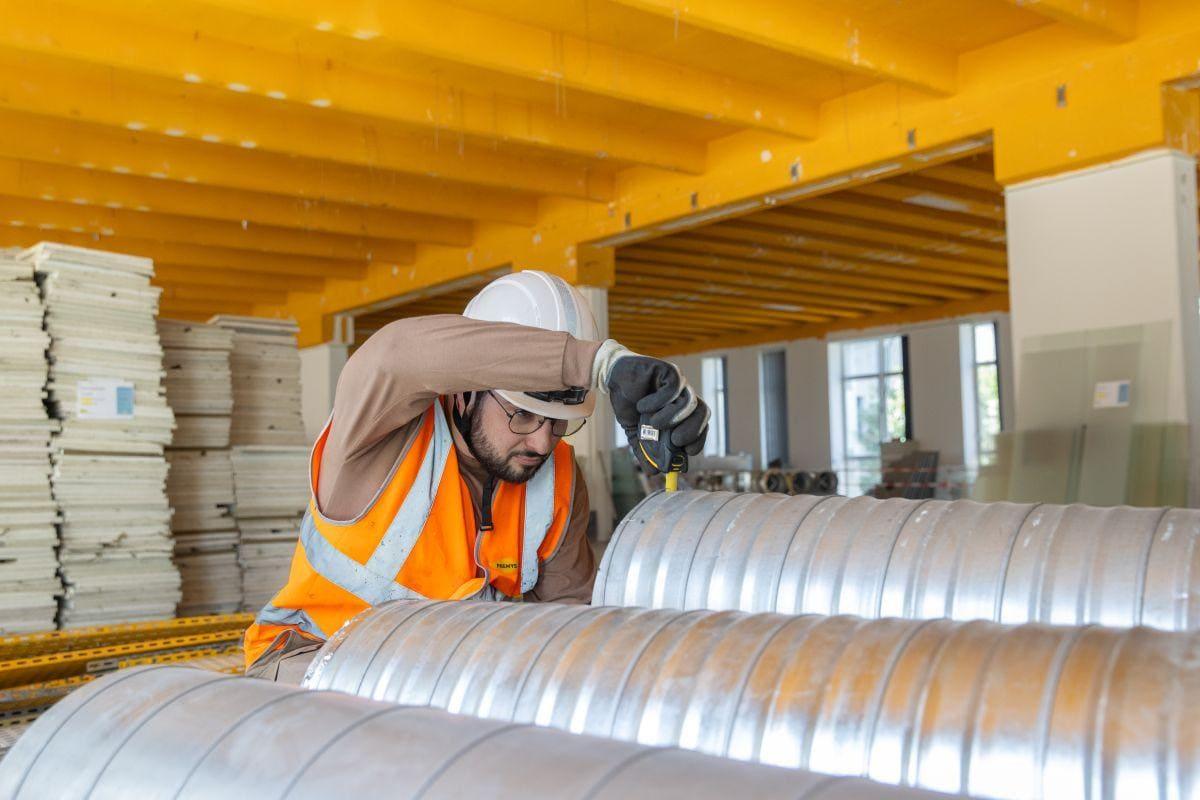
Depending on the type of structures and technical constraints, Premys uses several stripping methods:
-
Hydrodemolition: removal of concrete layers or coatings without damaging the underlying surfaces.
-
Scarification: removal of floor coverings or thick paint layers.
-
Percussion: targeted removal of hard or thick elements.
Each method is selected based on the site context, safety requirements, and reuse objectives.
Circular economy
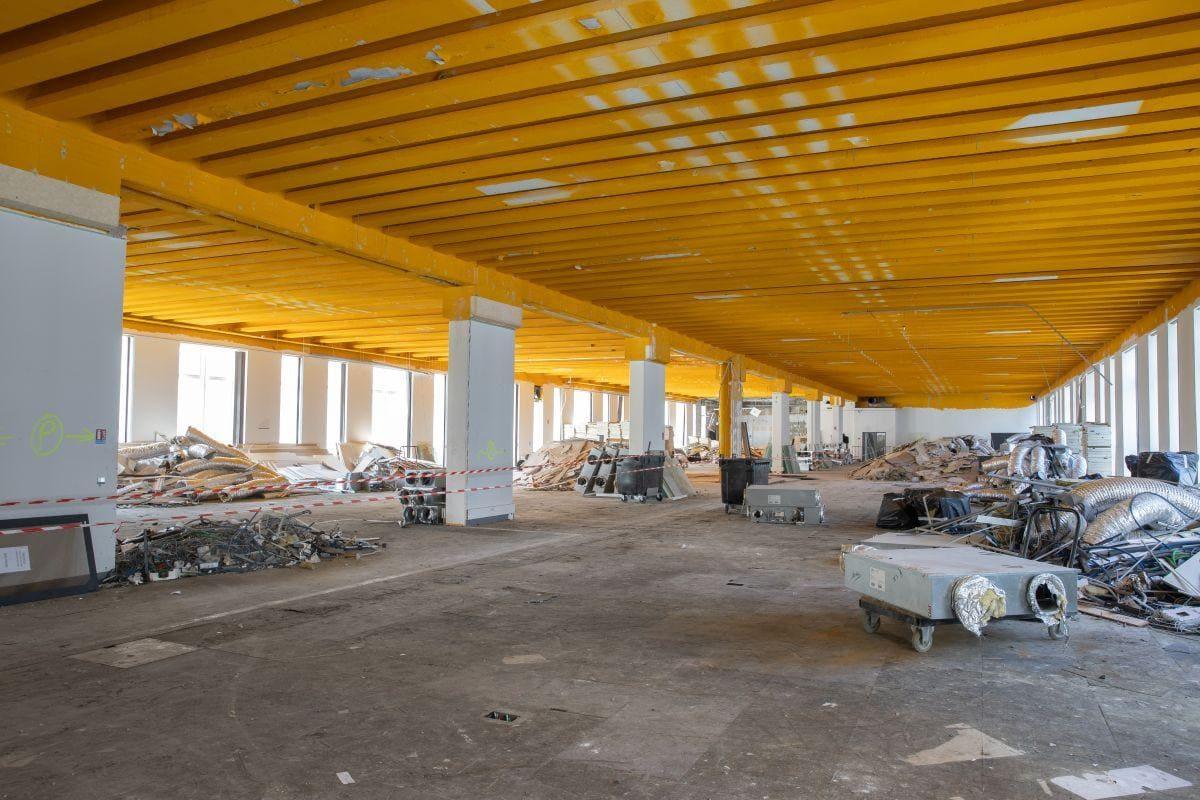
Stripping operations fully contribute to material recovery and the reduction of environmental impact:
- Sorting and separation directly on-site, allowing efficient separation of materials according to regulatory channels (7/8-stream sorting).
- Reuse of materials on other sites or transport to Colas platforms and approved outlets.
- Precise monitoring of recovery indicators and environmental reporting for each operation.
Colas and Premys promote responsible and circular resource management, placing selective preparation and material recovery at the heart of sustainable deconstruction.
Health, safety, and site management
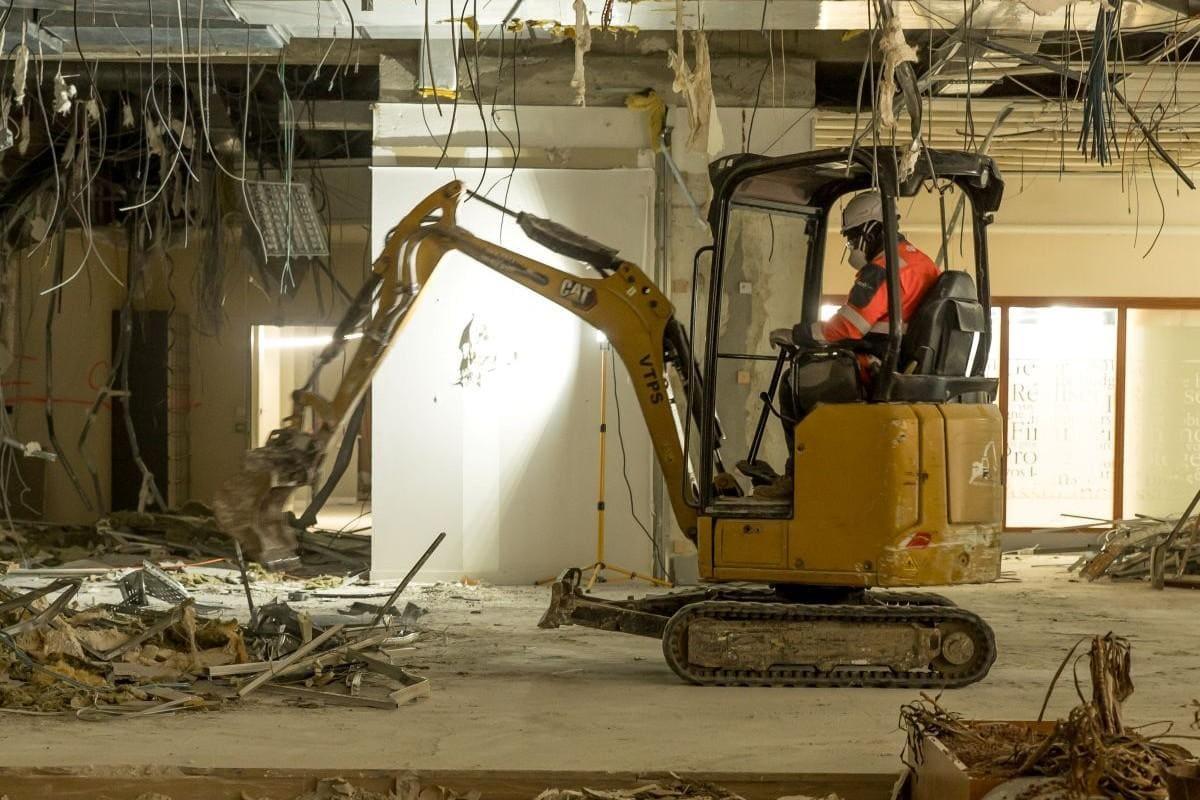
Each intervention is carried out in strict compliance with safety standards: prevention plans, network lockouts, PPE, and monitoring of disturbances.
Premys also works on occupied sites, ensuring the continuity of activities safely. Its teams operate on a variety of projects: buildings, industrial sites, or public facilities, demonstrating the rigor of their methods and their commitment to safety and material recovery.
Frequently questions
It is the selective removal of non-structural elements before rehabilitation or deconstruction, to sort and recover materials.
Stripping prepares the building for deconstruction, while demolition completely destroys it.
It identifies the products, equipment, and waste to be removed, and defines the appropriate treatment channels.
It is the regulatory sorting of waste according to their categories (metals, plastics, wood, plaster, glass, non-hazardous industrial waste, hazardous waste, etc.).
Tell us about your project
Do you have a selective stripping or deconstruction preparation project?
Our Colas & Premys experts support you with a safe, compliant, and responsible approach.