Earthworks & VRD (Roads and Utilities Networks)
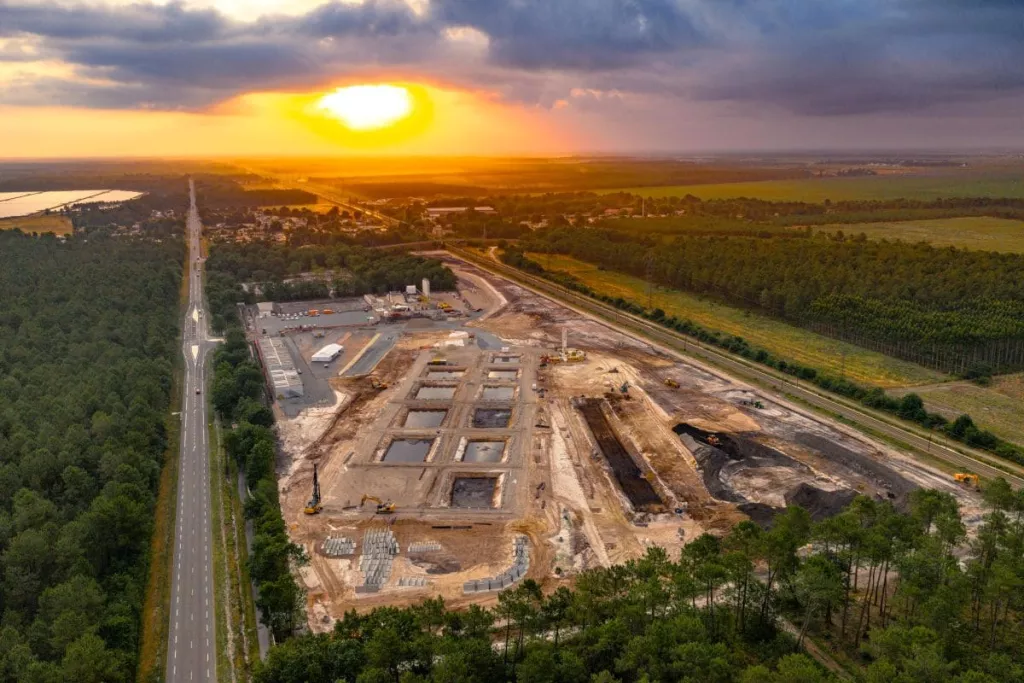
Earthworks and VRD (roads and utilities networks) works are the first step in any successful development project. Across France, Colas brings its expertise to deliver safe and sustainable infrastructure designed to meet the needs of local communities.
An integrated approach to earthworks and VRD
Thanks to its integrated model, Colas oversees every stage of a project: from study design to site restoration. This comprehensive approach ensures safe, coordinated, and efficient works carried out with respect for local communities and the environment. Our teams combine technical and responsible innovation, relying on sustainable solutions such as Recycol, Urbalith ou Vegecol.
From ground to surface: complete control of all networks
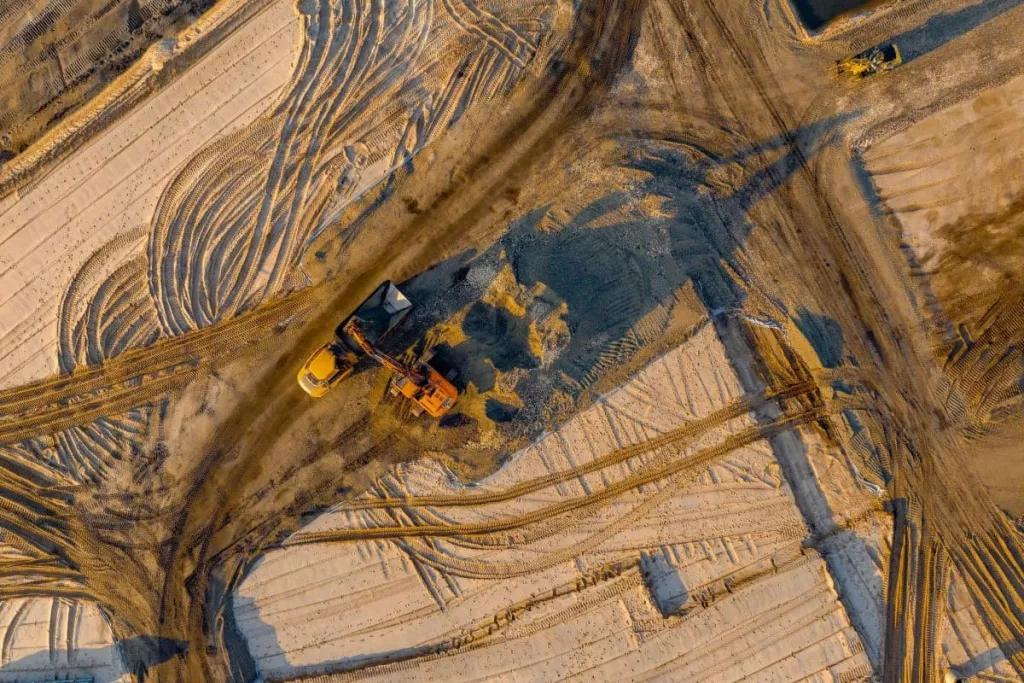
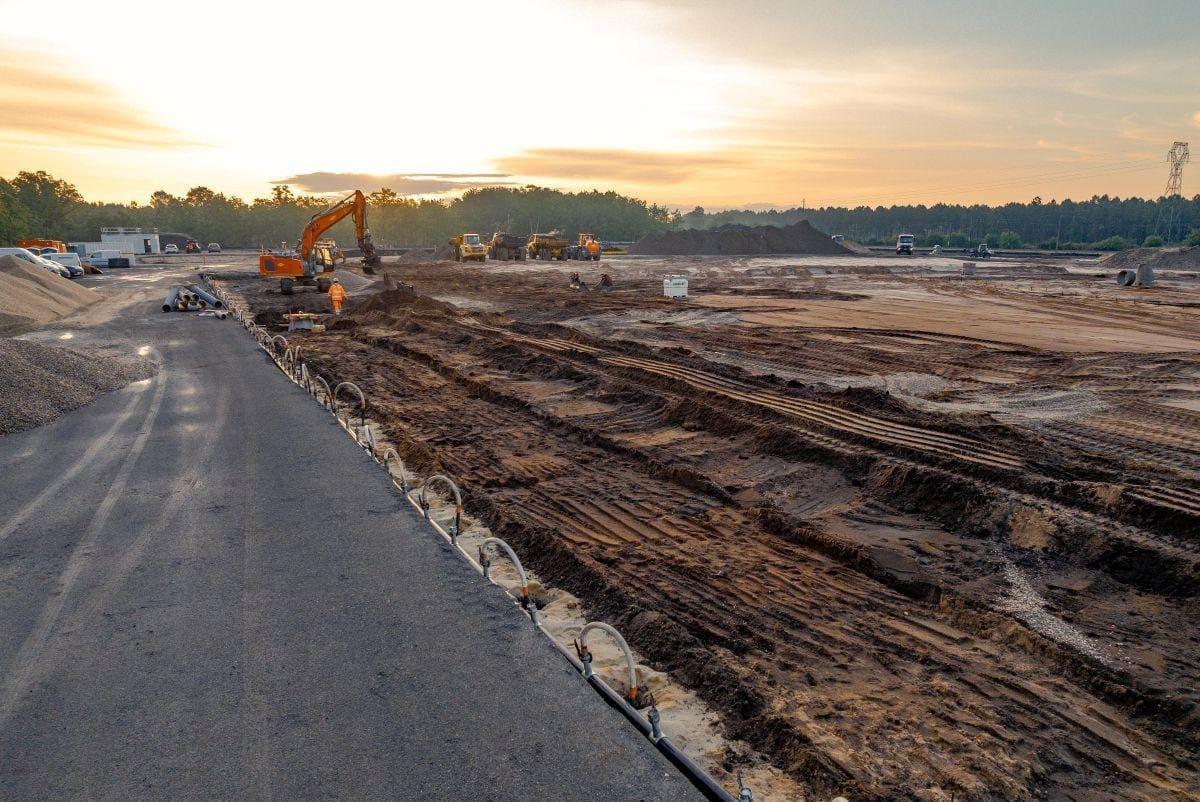
Earthworks and ground preparation
Earthworks form the foundation of any development project.
Our teams carry out excavation, backfilling, and soil treatment with precise equipment.
We prioritize the reuse of on-site materials to reduce the carbon footprint and ensure a high-quality base.
Roads and platforms
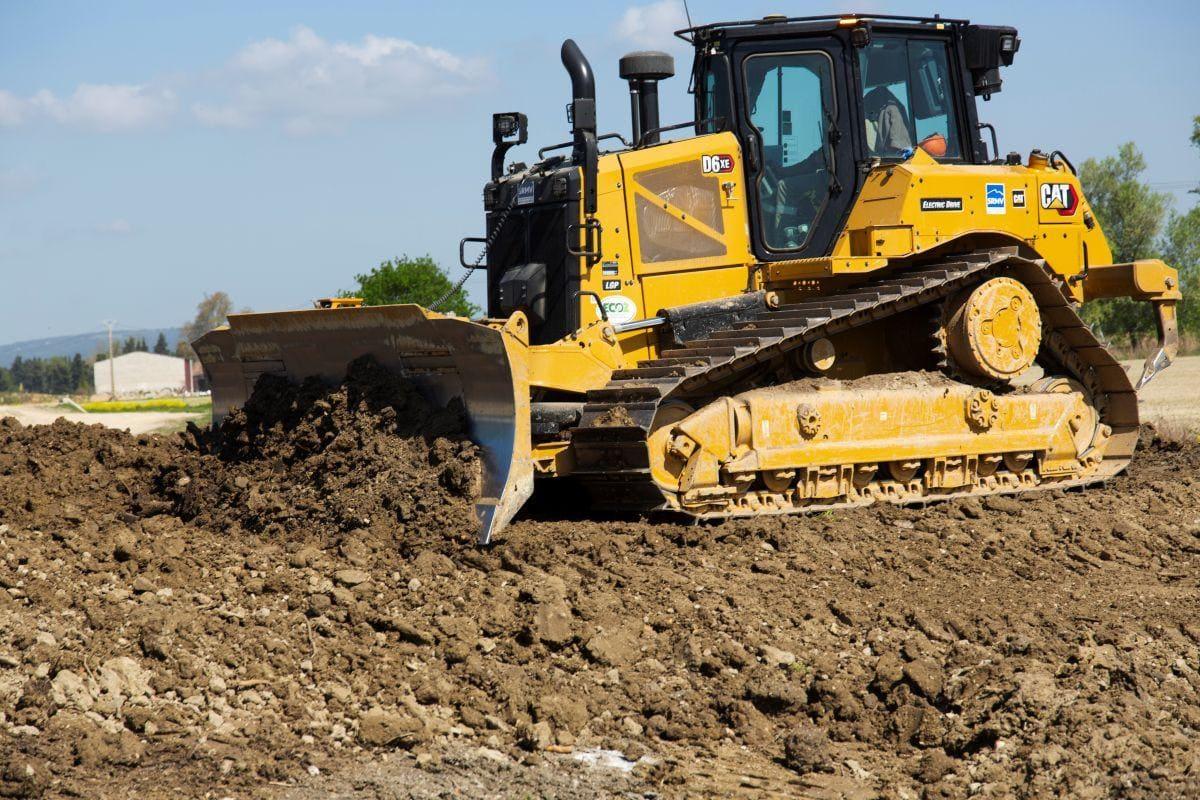
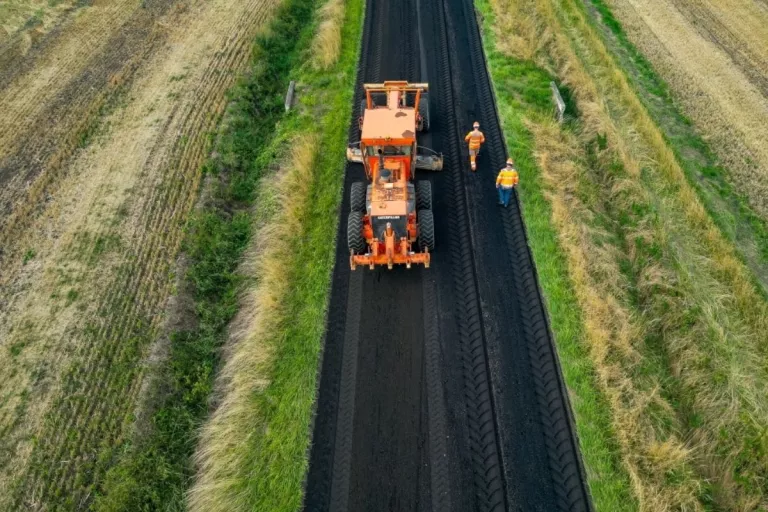
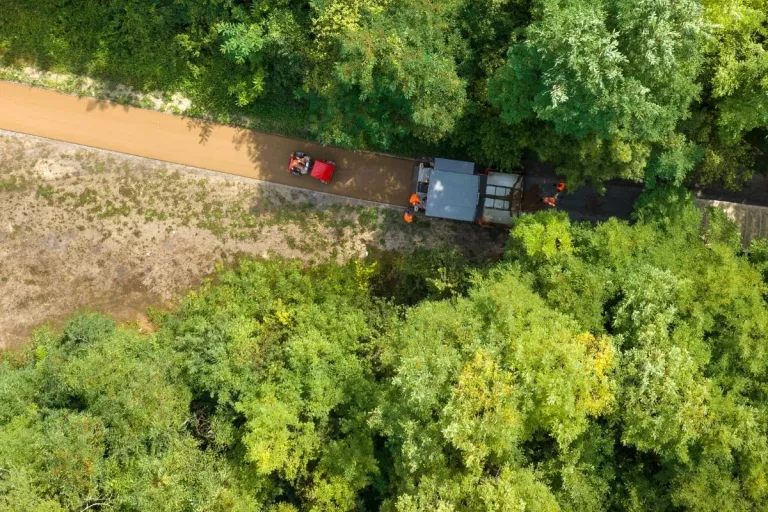
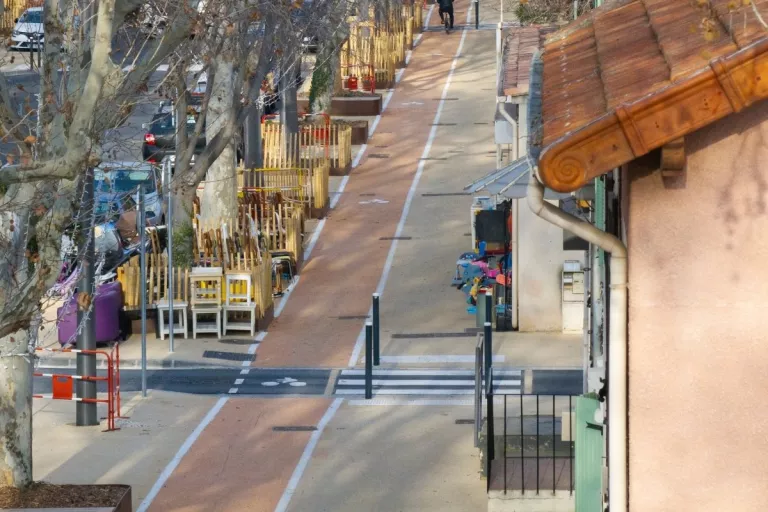
Once the soils are stabilized, Colas shapes roads, sidewalks, parking lots, and bike lanes.
Our teams install curbs, pavements, and recycled asphalt while integrating signage and safety systems developed with Aximum.
Each project is designed to combine usability, durability, and urban aesthetics.
Wet networks: sustainable water management
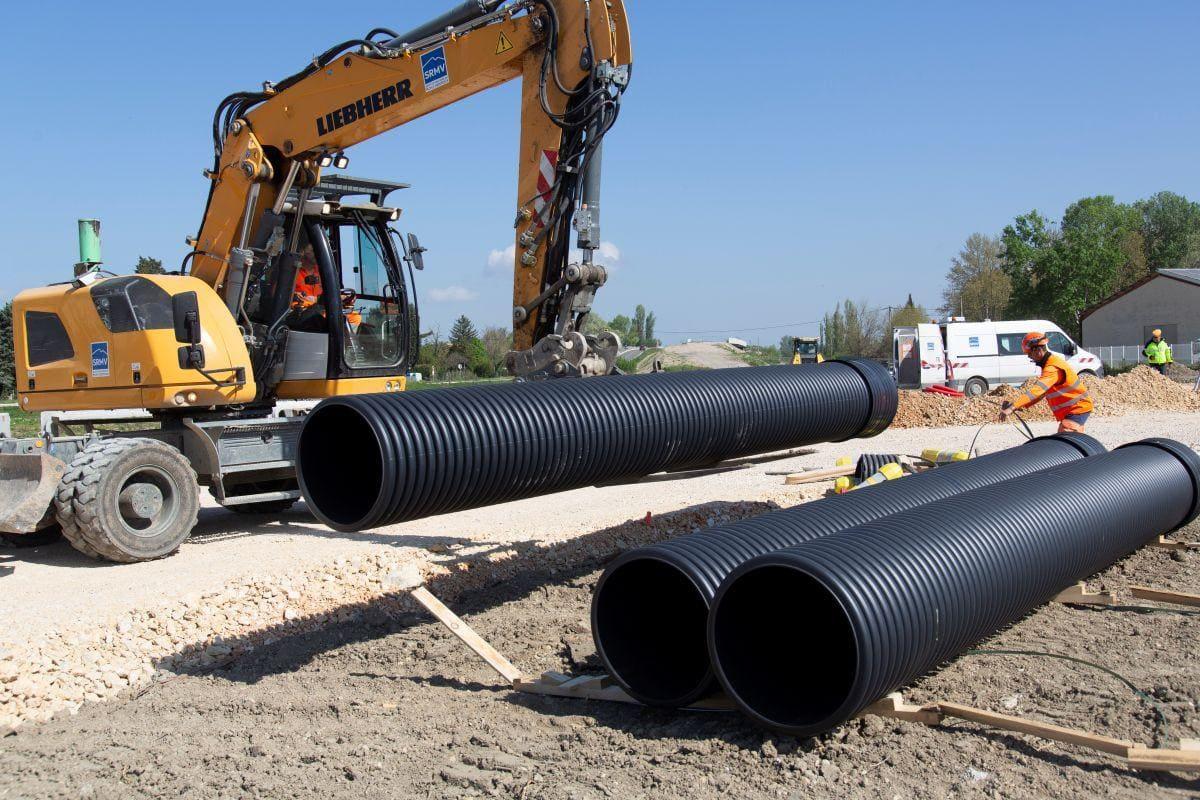
Colas works on all hydraulic networks: drinking water supply (AEP), wastewater collection (EU), and stormwater drainage (EP).
We implement natural water management solutions, such as swales, infiltration basins, and permeable pavements, to reduce soil sealing and enhance climate resilience.
Dry networks: electricity, gas, telecommunications, and lighting
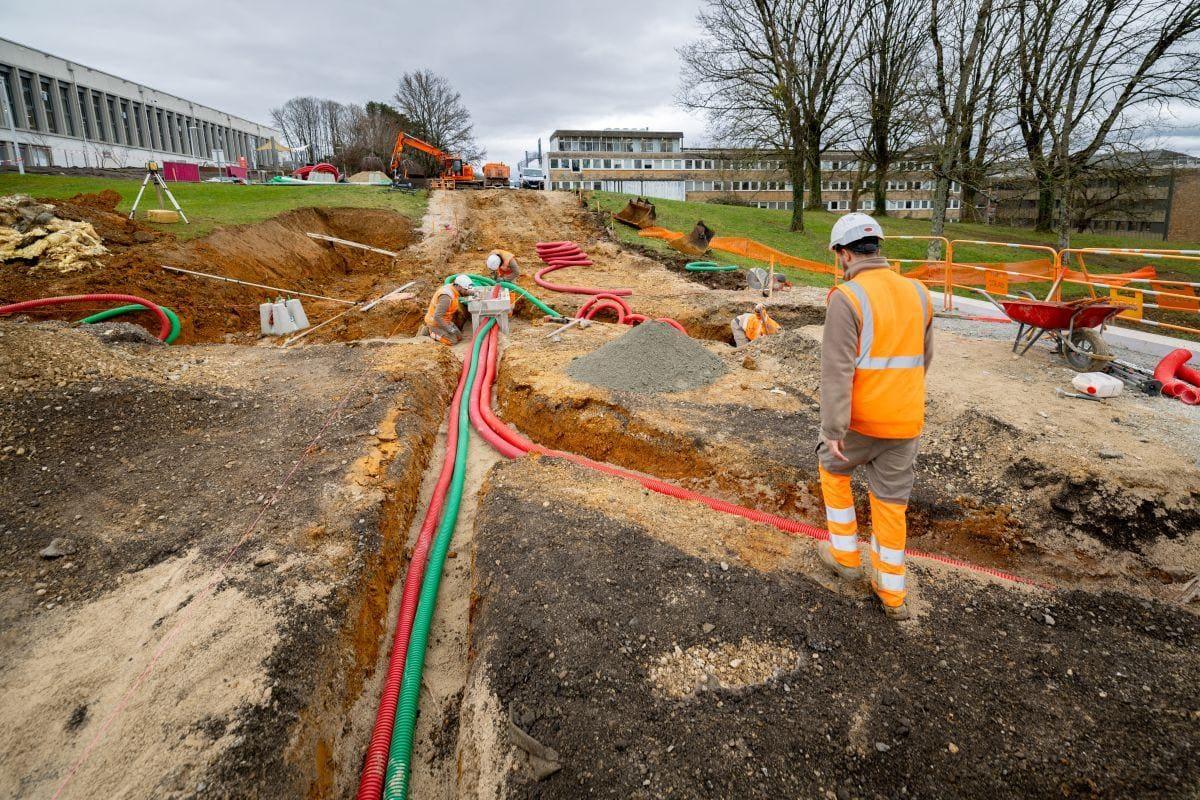
We handle the installation, connection, and commissioning of electrical, gas, and telecom networks, as well as intelligent public lighting systems.
Our projects strictly follow procedures to ensure smooth coordination with utility providers.
Sustainable materials and low-carbon solutions
The circular economy is at the heart of our approach. Through our Valormat, platforms, we recover and recycle materials from construction sites, including excavated soil, aggregates, and asphalt. Our innovations (Urbalith, Easycold, Vegecol) help reduce CO₂ emissions from asphalt while maintaining equivalent performance.
By prioritizing alternative binders, warm-mix processes, and permeable materials, Colas is committed to more sustainable mobility and healthier, more breathable cities.
Our solutions tailored to your needs
Project execution and management of constraints
Frequently questions
The acronym VRD stands for “Voiries et Réseaux Divers” (roads and utilities networks), referring to all the work that makes a site viable and functional before any construction.
It includes earthworks, the creation of roads (streets, sidewalks, parking lots, bike lanes), and the installation of wet and dry networks:
- Wet networks: drinking water supply (AEP), wastewater (EU) and stormwater (EP) drainage, and water management structures (swales, basins, gutters).
- Dry networks: electricity, gas, telecommunications distribution, and public lighting.
These works form the first step of sustainable development, ensuring safety, accessibility, and the performance of future infrastructure.
A earthworks and VRD project follows a precise sequence, guided by technical studies and safety standards:
- Preliminary studies and permits (DT/DICT): identification of existing networks, topographic surveys, and administrative authorizations.
- Earthworks: preparation and stabilization of the site (excavation/backfilling, soil treatment).
- Installation of wet and dry networks: laying and connecting water, energy, and telecom pipelines.
- Inspections and testing: watertightness tests, compaction measurements, and compliance checks.
- Site restoration and finishing: road resurfacing, signage, and landscaping integration.
At Colas, these stages are carried out in a coordinated manner, ensuring user safety and minimizing disruptions for local communities.
Wet networks involve all fluids circulating through pipes:
- AEP (Drinking Water Supply): for water provision.
- EU (Wastewater): for sanitation.
- EP (Stormwater): for managing and infiltrating rainwater.
Dry networks, on the other hand, refer to energy and communication networks:
- Electricity, gas, telecommunications, fiber optics, and public lighting.
Colas ensures coordination and safety between these two types of networks to prevent interference and guarantee the reliability of installations.
Colas acts across the entire project value chain to reduce environmental impact:
- Reuse and recovery of materials through Valormat plaforms.
- Use of warm-mix asphalt (Easycold) to lower CO₂ emissions.
- Optimization of earthworks and logistics using digital tools (GPS guidance, 3D modeling).
- Sustainable stormwater management with permeable and vegetated solutions (Urbalith, Vegecol).
This low-carbon approach is part of Colas’ CSR strategy: developing territories while preserving life.
Tell us about your project
Do you have an earthworks, sanitation, or VRD project?
Our local teams support you from the study phase to the completion of your project.